

.png)


Risk Factor Analysis in Property Inspections
- antoineinspection

- Nov 24, 2025
- 3 min read
When you’re about to buy or sell a home, the last thing you want is surprises. That’s where a thorough property inspection comes in. But not all inspections are created equal. What really matters is the inspection risk evaluation—knowing what could go wrong and how serious it might be. I’m here to walk you through this process, so you feel confident and informed every step of the way.
Why Inspection Risk Evaluation Matters
You might wonder, why focus so much on risk? Isn’t an inspection just about checking if things work? Well, yes and no. An inspection is more than a checklist. It’s about spotting potential problems before they become costly headaches.
Think about it: a small leak today could mean major water damage tomorrow. A cracked foundation might lead to structural issues down the line. When you understand the risks, you can make smarter decisions. You can negotiate repairs, plan for future maintenance, or even walk away if the risks are too high.
Here’s what an inspection risk evaluation does for you:
Highlights hidden issues that aren’t obvious at first glance
Prioritizes problems based on severity and urgency
Helps you budget for repairs or improvements
Gives you peace of mind knowing you’re making an informed choice
This approach is especially important in the DFW Metroplex, where homes vary widely in age, style, and condition. A good inspection tailored to this area can save you thousands.
Key Areas to Focus on During Inspection Risk Evaluation
When I inspect a property, I pay close attention to several critical areas. These spots often reveal the biggest risks. Here’s what I look for and why it matters:
Roof and Gutters
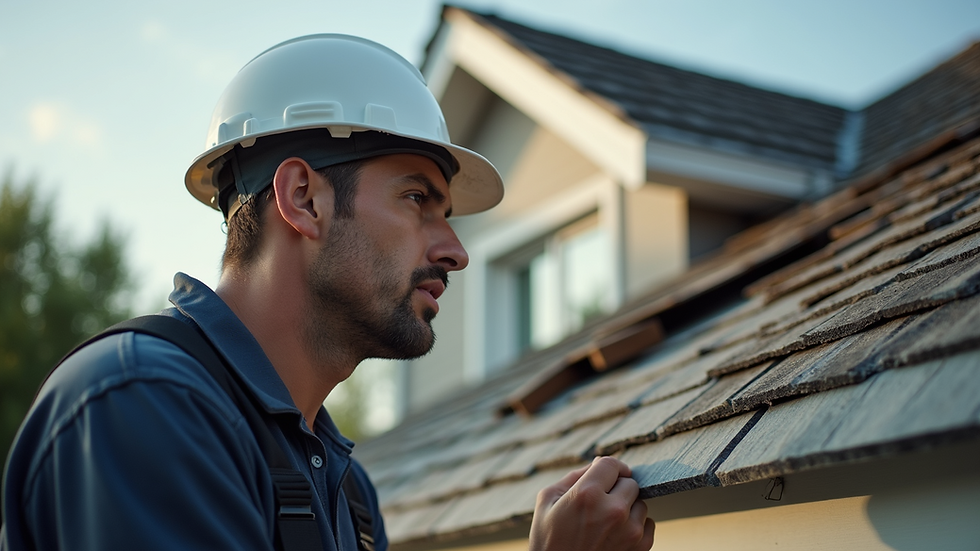
The roof protects everything inside your home. Missing shingles, damaged flashing, or clogged gutters can lead to leaks and water damage. I check for:
Signs of wear or damage
Proper drainage to prevent pooling water
Evidence of past repairs or patchwork
Foundation and Structure
A solid foundation is non-negotiable. Cracks, uneven floors, or doors that don’t close properly can signal foundation problems. I assess:
Visible cracks and their size/location
Signs of settling or shifting
Moisture issues near the foundation
Electrical and Plumbing Systems
Faulty wiring or plumbing can be dangerous and expensive to fix. I test:
Electrical panels and outlets for safety
Water pressure and drainage
Signs of leaks or corrosion
HVAC Systems
Heating and cooling systems keep your home comfortable. I evaluate:
Age and condition of units
Proper operation and maintenance
Potential safety hazards like gas leaks
Interior and Exterior Conditions
Walls, windows, doors, and siding all tell a story. I look for:
Water stains or mold
Cracks or damage to walls and ceilings
Proper sealing and insulation
By focusing on these areas, I can provide a clear picture of the home’s condition and the risks involved.
How to Use Risk Factor Analysis in Your Decision-Making
You might have heard the term risk factor analysis before. It’s a method that helps break down the inspection findings into manageable pieces. Here’s how you can use it:
Identify Risks: List all the issues found during the inspection.
Assess Severity: Determine which problems are minor and which are critical.
Estimate Costs: Get quotes or estimates for repairs.
Prioritize Repairs: Decide what needs immediate attention and what can wait.
Negotiate or Plan: Use this information to negotiate with sellers or plan your budget.
This process turns a long inspection report into a clear action plan. It’s not about scaring you but empowering you.

Tips for Homebuyers and Sellers in the DFW Metroplex
Living in the DFW Metroplex means dealing with unique weather and housing styles. Here are some practical tips to keep in mind:
Schedule inspections early: Don’t wait until the last minute. Early inspections give you time to address issues.
Choose a local inspector: Someone familiar with DFW homes understands common problems here.
Ask questions: Don’t hesitate to ask your inspector to explain findings in simple terms.
Get a second opinion: For major issues, consider consulting a specialist.
Keep records: Save all inspection reports and repair receipts for future reference.
These steps help you stay ahead of potential problems and protect your investment.
Moving Forward with Confidence
At the end of the day, a thorough inspection and solid inspection risk evaluation give you confidence. You know what you’re buying or selling. You’re prepared for what’s ahead. And you have a trusted partner in the process.
Remember, the goal is peace of mind. Whether you’re stepping into a new home or putting one on the market, understanding risks helps you make smart, informed choices. If you want to learn more or schedule an inspection, don’t hesitate to reach out.
Your home deserves the best care, and so do you.

Feel free to explore more about risk factor analysis and how it can protect your property investment.


Comments