

.png)




Top Tips for First-Time Home Buyer Inspections: Navigating the Homebuyer Inspection Process

Buying your first home is exciting, but it can also feel overwhelming. One of the most important steps in this journey is the homebuyer inspection process. This step helps you understand the true condition of the property before you commit. It’s your chance to uncover hidden issues and avoid costly surprises later. So, how do you make the most of it? Let me share some top tips that will guide you through this crucial phase with confidence.
Understanding the Homebuyer Inspection Process
The homebuyer inspection process is more than just a formality. It’s a detailed examination of the property’s condition, usually conducted by a professional home inspector. They check everything from the roof to the foundation, plumbing to electrical systems, and more. The goal? To identify any problems that could affect your safety, comfort, or investment.
Here’s what you can expect during the process:
Scheduling the inspection: Once your offer is accepted, arrange for a licensed inspector to visit the property.
The inspection itself: This usually takes a few hours. The inspector will look at all major components of the home.
Receiving the report: After the inspection, you’ll get a detailed report outlining any issues found.
Deciding next steps: Use the report to negotiate repairs, ask for credits, or decide if the home is right for you.
Remember, this process is your best tool for making an informed decision. Don’t rush it. Take your time to understand the findings and ask questions.
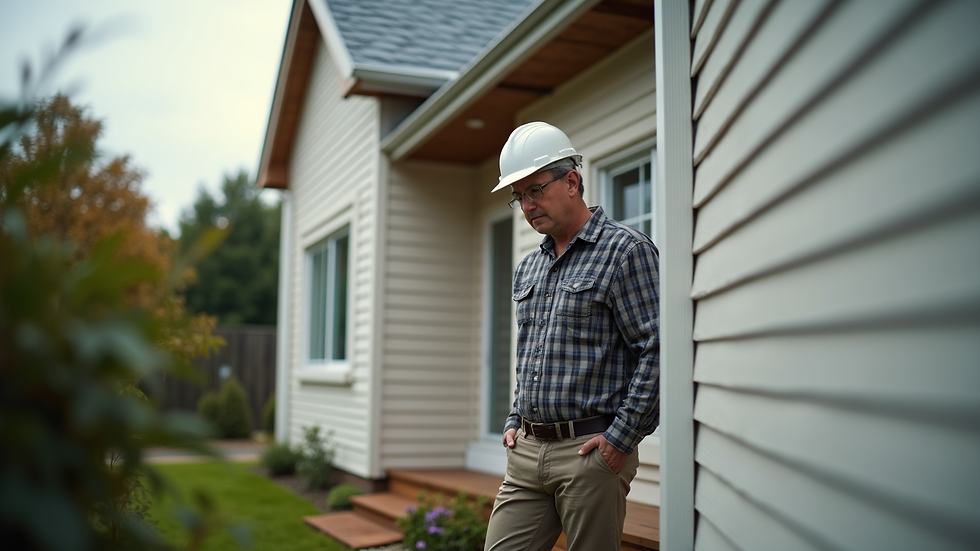
Key Areas to Focus on During Your Inspection
When you’re new to home buying, it’s easy to feel lost about what to look for. The good news is, your inspector will cover the technical details. But it helps to know the key areas that matter most:
Roof and Gutters
Check for missing shingles, leaks, or signs of wear. A damaged roof can lead to expensive repairs.
Foundation and Structure
Look for cracks, uneven floors, or water damage. These could indicate serious structural problems.
Plumbing System
Test faucets, toilets, and water heaters. Leaks or outdated pipes can cause headaches down the road.
Electrical System
Ensure outlets, switches, and the breaker panel are safe and up to code.
Heating and Cooling Systems
Verify that HVAC units work efficiently. Replacing these can be costly.
Windows and Doors
Check for drafts, broken seals, or difficulty opening and closing.
Pest Inspection
Look for signs of termites or other pests that can damage the home.
By focusing on these areas, you’ll get a clear picture of the home’s condition. Don’t hesitate to ask your inspector to explain anything you don’t understand.
What is the Biggest Red Flag in Home Inspection?
You might wonder, “What is the biggest red flag in home inspection?” While many issues can be concerning, some stand out as major warning signs.
Structural damage tops the list. This includes foundation cracks, sagging roofs, or significant water damage. These problems can be costly to fix and may affect the safety of the home.
Another big red flag is mold or water intrusion. Mold can cause health problems and indicate ongoing moisture issues. Water damage might hide behind walls or under floors, so it’s important to catch it early.
Electrical hazards are also critical. Outdated wiring or overloaded circuits can pose fire risks.
If your inspection report highlights any of these, take them seriously. Discuss with your inspector and your real estate agent about how to proceed. Sometimes repairs can be negotiated, but other times it might be best to walk away.

How to Prepare for Your Home Inspection
Preparation is key to a smooth inspection. Here are some practical steps you can take:
Be present during the inspection: This is your chance to learn about the home firsthand. Ask questions and take notes.
Bring a checklist: Having a list of your concerns helps you stay focused.
Wear comfortable clothes and shoes: You might be walking through crawl spaces or attics.
Review the inspection report carefully: Don’t just skim it. Understand each point and its implications.
Plan for a follow-up: If needed, schedule a second visit to check repairs or clarifications.
Being proactive shows you care about your investment. It also helps you build a good relationship with your inspector, who can be a valuable resource.
Using First Time Home Buyer Inspection Tips to Your Advantage
Navigating your first home inspection can feel daunting. That’s why I recommend using first time home buyer inspection tips to guide you. These tips offer practical advice tailored to beginners, helping you avoid common pitfalls.
For example, one tip is to focus on major systems rather than cosmetic issues. A chipped paint or outdated wallpaper is easy to fix. But a faulty electrical panel or leaking roof is not.
Another tip is to budget for repairs. Even a well-maintained home will need some work. Knowing this upfront helps you plan financially.
Finally, trust your instincts. If something feels off during the inspection, don’t ignore it. Ask for more details or a second opinion.
What to Do After the Inspection
Once you have the inspection report, what’s next? Here’s a simple plan:
Review the report with your agent: They can help you understand the findings and negotiate with the seller.
Request repairs or credits: Based on the report, ask the seller to fix issues or offer a price reduction.
Decide if you want to proceed: If the problems are too big, it’s okay to walk away.
Schedule any additional inspections: Sometimes you may need specialists for things like pests or HVAC.
Plan your move and repairs: If you move forward, use the report to prioritize repairs and upgrades.
Taking these steps ensures you’re making a smart, informed decision. Remember, the inspection is your safety net.
Final Thoughts on the Homebuyer Inspection Process
The homebuyer inspection process is your best friend when buying a home. It uncovers hidden problems and gives you peace of mind. By understanding what to expect, focusing on key areas, and using expert tips, you can navigate this step with confidence.
Don’t rush. Take your time to learn and ask questions. Your future self will thank you for being thorough. After all, buying a home is one of the biggest investments you’ll make. Make sure it’s a wise one.
If you want to feel truly confident, consider working with a trusted local inspection service. They know the DFW Metroplex market and can help you make the best decision for your new home.
Happy house hunting!


Comments